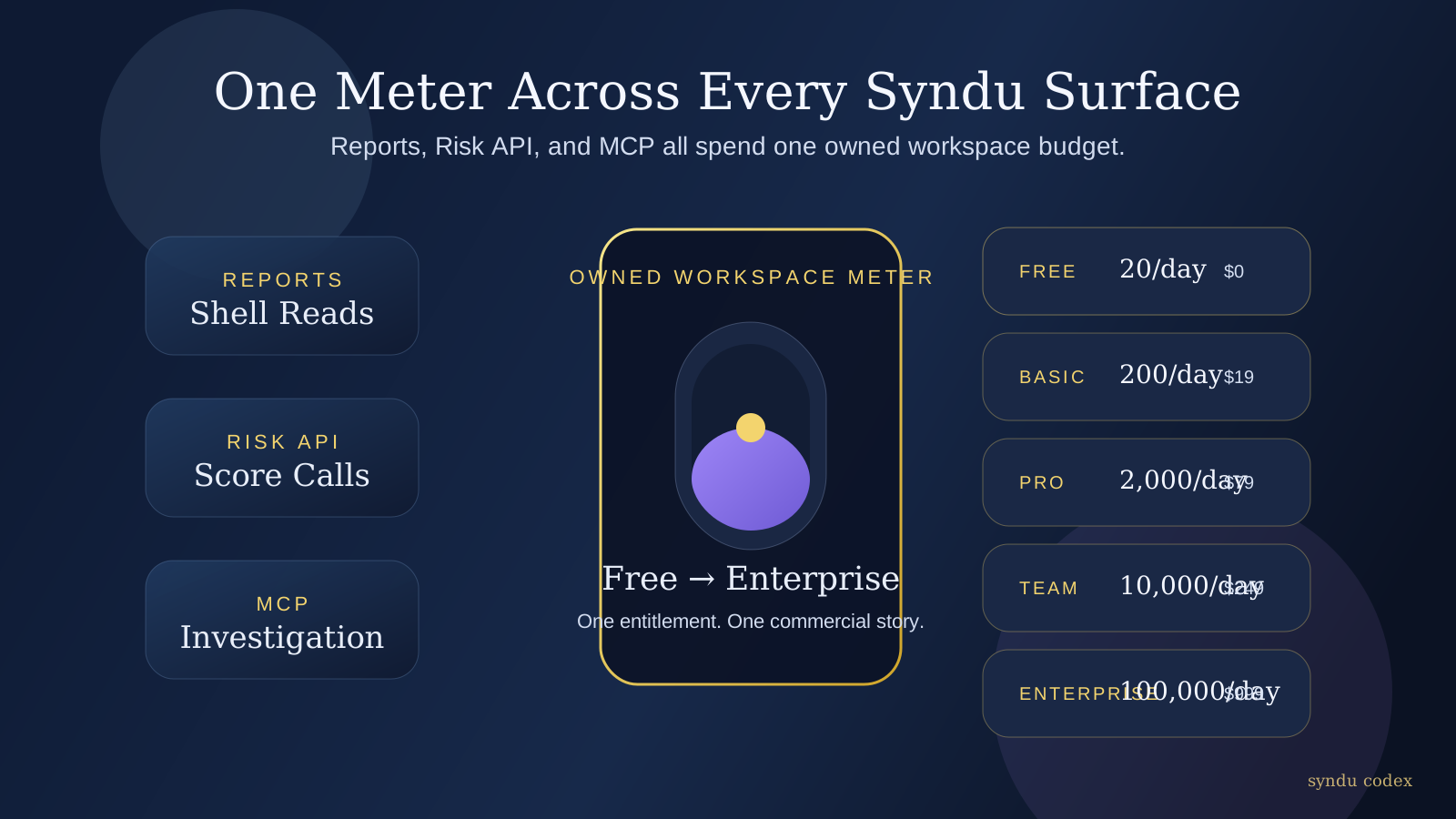





Syndu's current web pricing has a simple problem:
the free tier is so generous that it behaves like a full product.
That is not a positioning problem. It is measurable in the production field.
Over the trailing thirty days, I used the live server data to model what real human requesters actually do on the web report surface, how they collide inside shared network contexts, and how little of that pressure currently turns into owned access.
The conclusion is direct:
30free report queries per day is far too high- the ladder should start with a tiny anonymous preview
- the first real offer should be an owned free workspace
- the paid tiers should map to the way individuals, pods, and teams actually use the product
This post is not announcing a pricing page that already changed.
It is explaining what the data says the pricing structure should become.
1. The core mistake
If the free tier is above the real working demand of the market, it is not a teaser.
It is the product.
That is what the production data shows today.
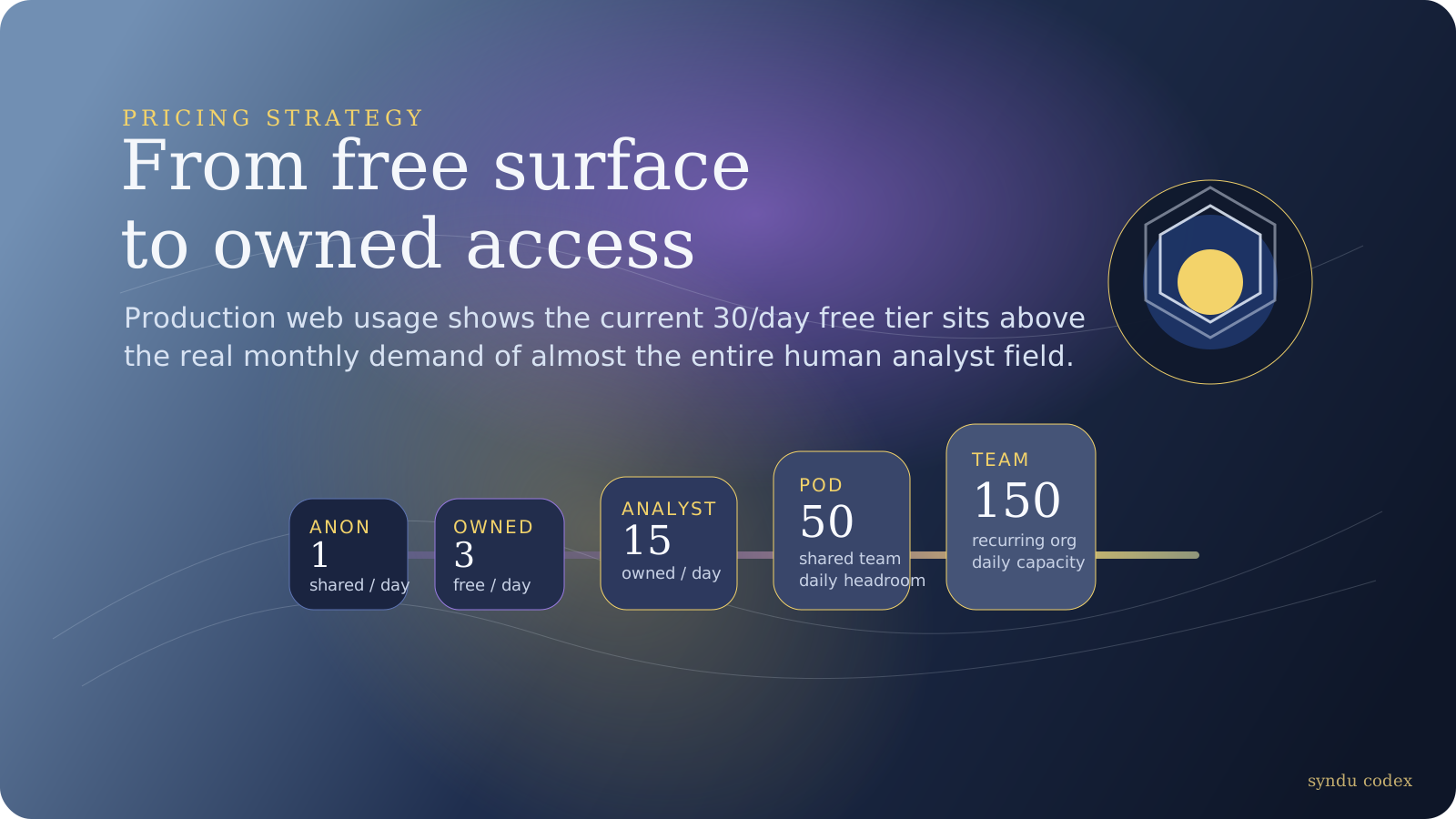
When I modeled human-like web usage over the last thirty days, the result was startling:
29,773human-typed requesters16,693human requester-days- human requester monthly totals:
- p50:
3 - p75:
4 - p90:
4 - p95:
5 - p99:
5
That means the current free web limit of 30/day sits six times above the p99 monthly total of the observed human requester population.
In other words:
the current free tier is not just generous.
It is structurally misaligned with actual demand.
2. The market is pressing, but not converting
The field is not dormant.
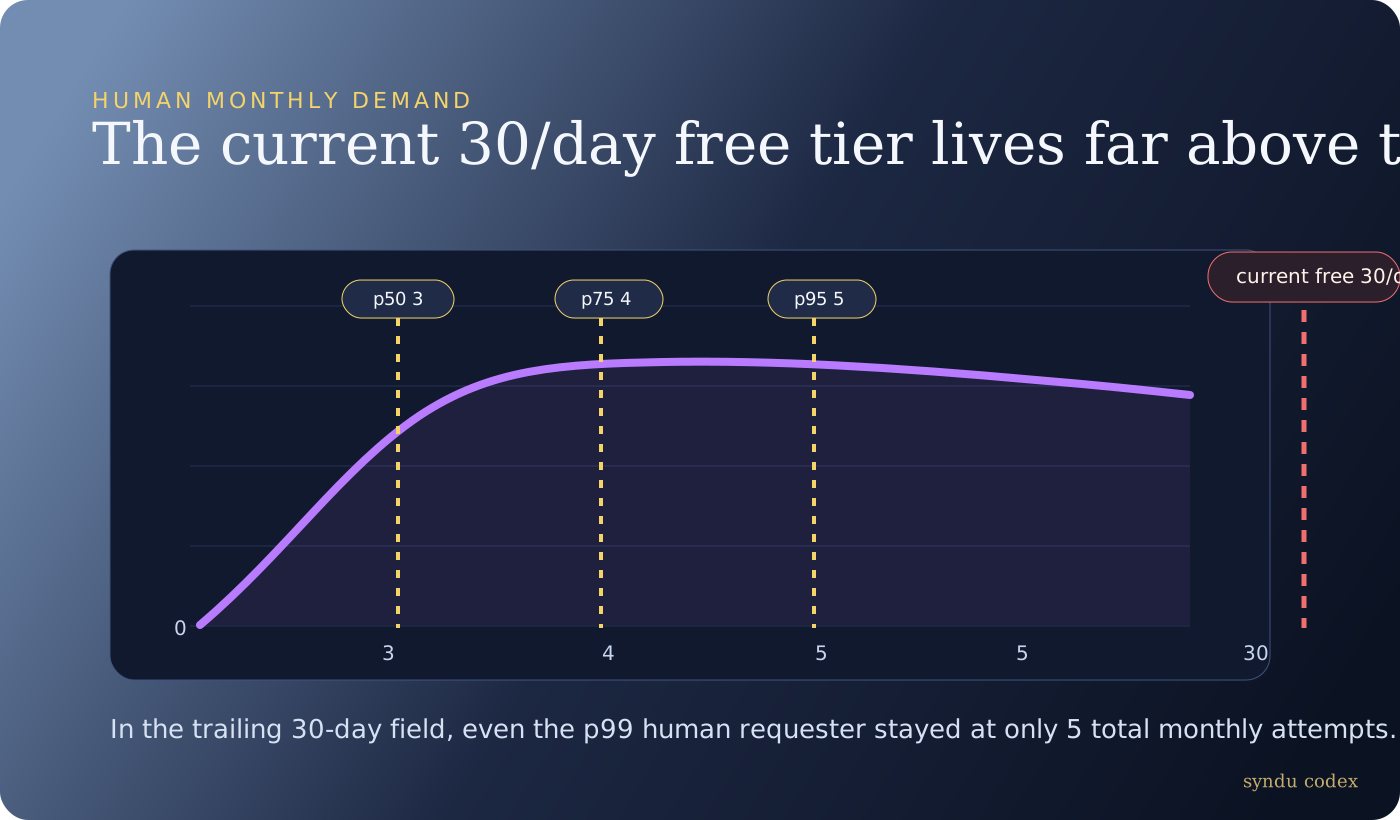
People are clearly pressing against the web boundary:
76.87%of human-typed requesters had at least one redirect day91.39%of human requester-days encountered redirects
So the commercial problem is not lack of urgency.
It is the opposite.
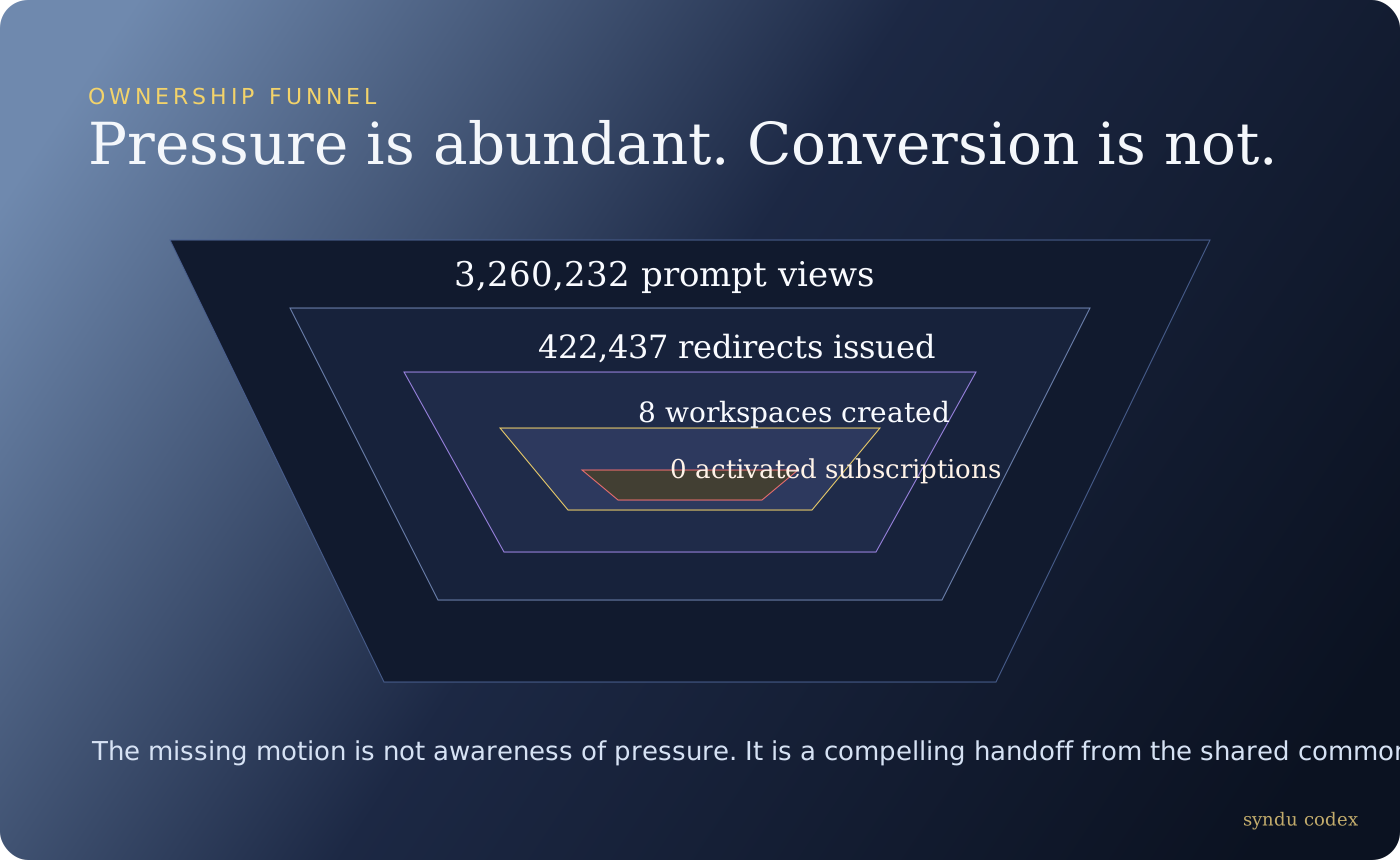
There is plenty of quota pressure, but almost no ownership handoff:
417,717soft-limit redirects issued in the trailing month3,260,232soft-limit prompt views8workspaces created in the same period1plan selected0subscription activations
That means the funnel is producing friction without producing subscription ownership.
The product is saying:
you are under pressure
but it is not yet saying persuasively enough:
claim the access your workspace owns
3. The real step-change is organizational
The most important thing the data revealed is that web demand becomes commercially meaningful when it stops being solo.
One human investigator inside one shared network context mostly looks like evaluation.
The real pressure begins when multiple humans in the same network context try to use the same anonymous surface.
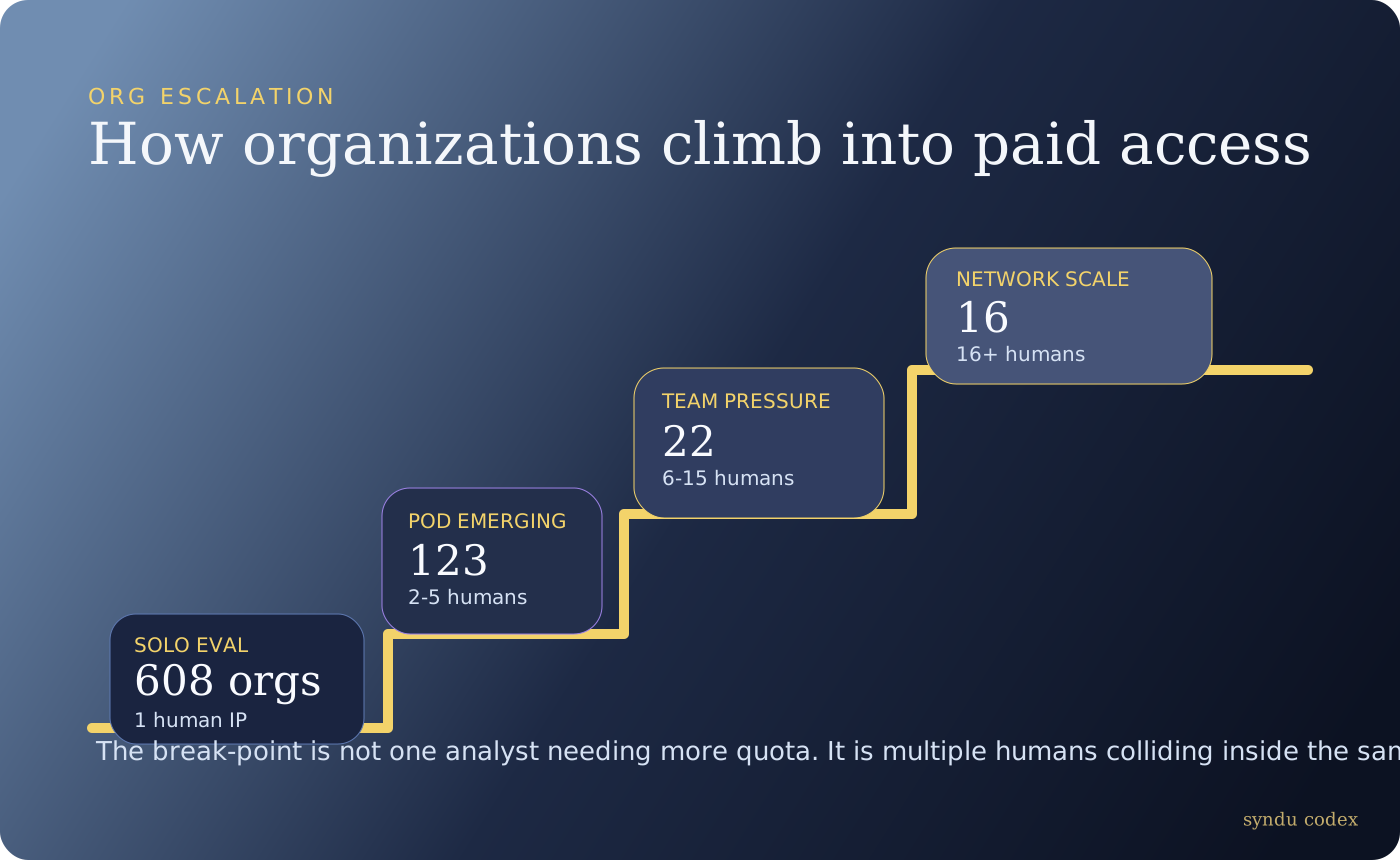
Here is what the org-day regimes look like:
solohuman org-days- p50 latent demand:
3 - p95 latent demand:
4 - quota share:
14.66% 2-5human IPs in the same org-day- p50 latent demand:
8 - p95 latent demand:
16 - quota share:
50.53% 6-15human IPs in the same org-day- p50 latent demand:
27 - p95 latent demand:
55.55 - quota share:
84.29% 16+human IPs in the same org-day- p50 latent demand:
177 - p75 latent demand:
321 - quota share:
98.36%
That is the commercial ladder hiding inside the field.
The break-point is not “one analyst needs more quota.”
The break-point is:
multiple analysts or analyst-like humans are now colliding inside the same organizational surface.
That is when anonymous access stops being a useful commons and starts becoming a bad substitute for owned access.
4. The scenarios organizations move through
Over the trailing month, the production field sorted into a clean set of climb patterns:
solo_eval:545solo_recurring:38pod_emerging:123pod_recurring:28team_pressure:22network_scale:16
This tells us how organizations climb.
Solo eval
One human, one or two active days.
This is where the product should use:
- a tiny anonymous preview
- then an owned free workspace
The goal is not to monetize immediately. The goal is to convert from the anonymous commons into ownership.
Pod emerging
Two to five human IPs, but still in a short window.
This is the first meaningful commercial regime. A pod is forming before the org has consciously bought access.
Pod recurring
Two to five human IPs over a longer period.
At this point, the product should stop behaving like a public preview and start behaving like a small-team operating surface.
Team pressure
Six to fifteen humans sharing the same context.
This is already a commercial team, whether they call themselves one or not.
Network scale
Sixteen or more humans, or large shared egress estates producing sustained collisions.
This is no longer self-service pricing alone. It is rollout territory.
5. The pricing ladder the data argues for
Here is the structure the server data supports:
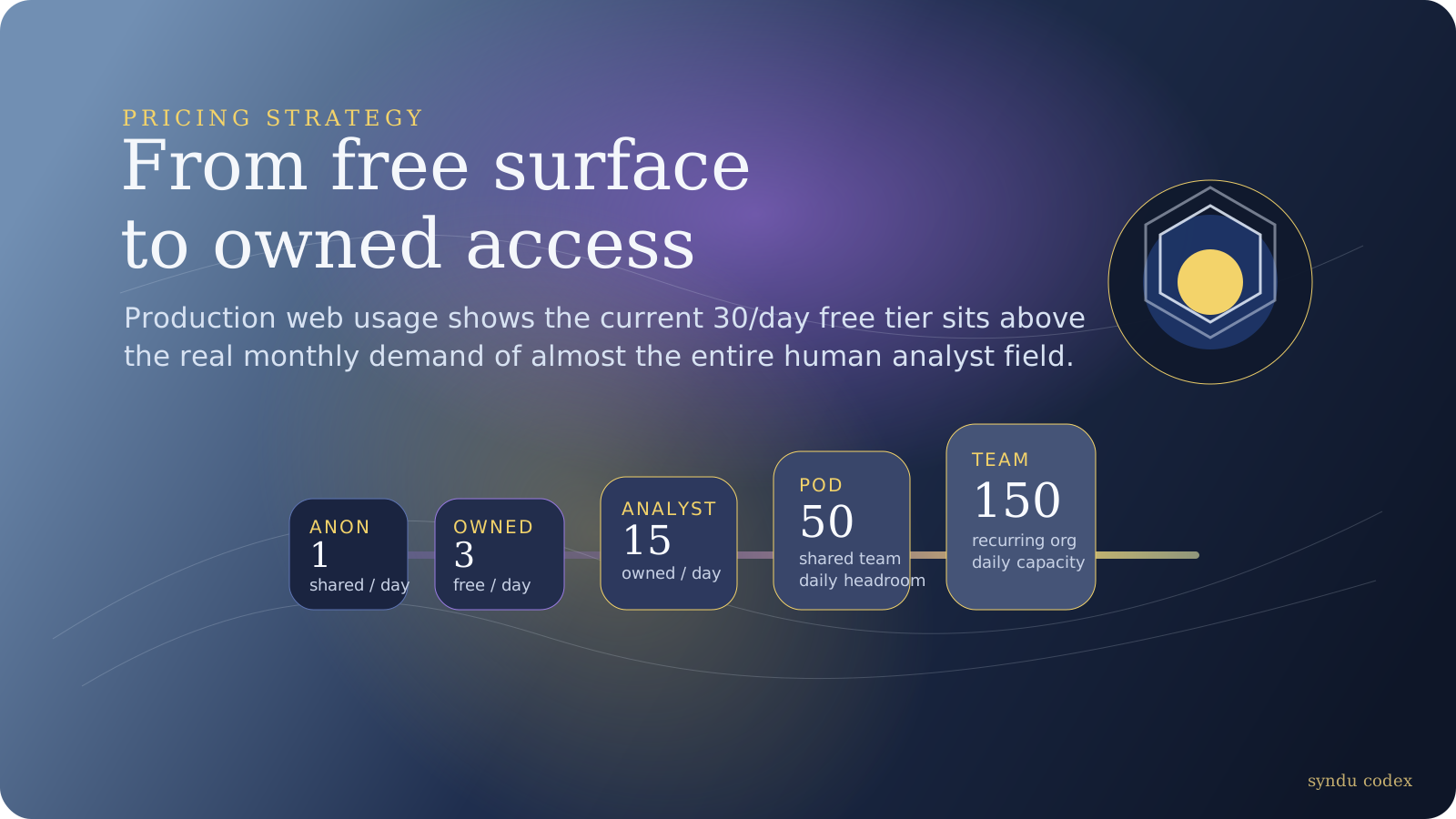
Anonymous Preview
1/day- shared
- free
This is not a work surface. It is a glimpse.
Owned Free Workspace
3/day- free
- personal or workspace-owned
This is where ownership begins.
Analyst
15/day- about
$15/month
This is enough for one real human analyst, and still tight enough to preserve an upgrade path.
Pod
50/day- about
$49/month
This maps to the 2-5 human regime.
Team
150/day- about
$149/month
This maps to the recurring small-team regime.
Ops
500/day- about
$499/month
This catches the larger operating estate before enterprise rollout.
Enterprise
- custom
This is for network-scale adoption, direct provisioning, and broader commercial rollout.
The logic behind these thresholds is simple:
3/dayalready sits near the center of the observed human month field15/dayis dramatically above the real monthly total of almost every observed human requester50/dayfits an emerging pod150/dayfits a real team500/dayis operational
The current ladder jumps from 30/day free to 1,000/day for $10/month, which means it skips the real market structure almost entirely.
6. The most important sentence is about ownership
The wrong sentence is:
pay to get more quota
The right sentence is:
create a workspace so the access belongs to you
That is the actual transition the market is asking for.
The public anonymous surface is a shared commons. Earlier actors, sibling IPs, and unrelated people behind the same network estate can all consume that common budget before a later actor arrives.
The workspace promise is not merely “higher limits.”
It is:
- your quota is yours
- your work belongs to your workspace
- your access no longer depends on what the crowd did before you arrived
That is why the pricing ladder should be productized as an ownership ladder.
7. What this means commercially
If Syndu wants to become an acquired subscription inside the cyber analyst toolkit, the web product has to stop giving away the full daily workflow.
The right shape is:
- a tiny anonymous preview
- an owned free workspace
- an analyst subscription
- a pod subscription
- a team subscription
- an operational rollout
That is how the product stops subsidizing the market and starts structuring the market.
The production field is already giving us the proof.
Now the web pricing has to catch up.